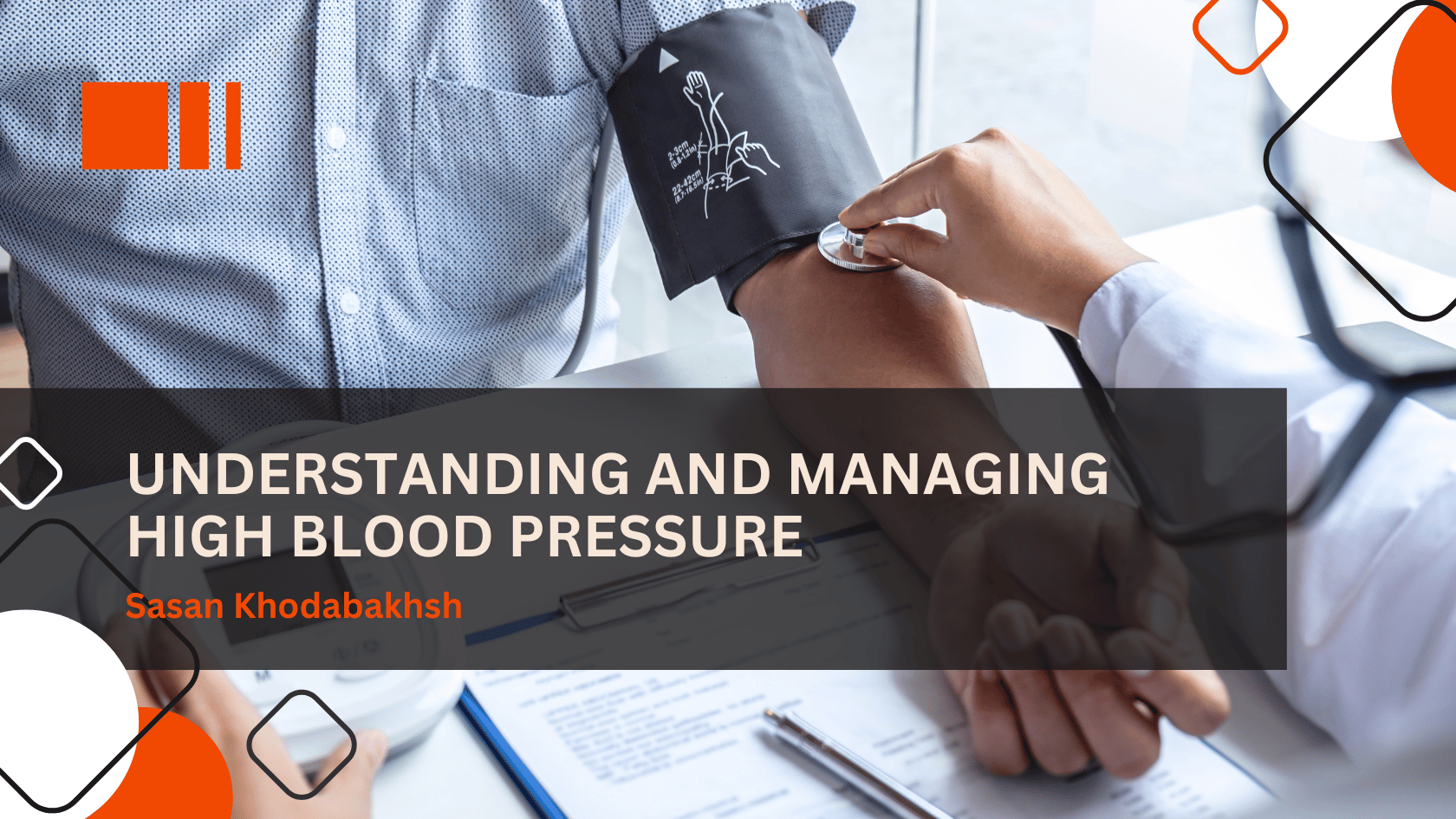
High blood pressure, also known as hypertension, is a prevalent but severe medical condition that affects millions of people worldwide. It’s called a “silent killer” because it usually has no noticeable symptoms, but it poses a significant risk for heart disease and stroke, which are among the top causes of death. Understanding and managing high blood pressure is crucial for maintaining long-term health and preventing these severe complications.
Understanding High Blood Pressure
Blood pressure is the force exerted by the flow of blood on the walls of blood vessels. Having elevated blood pressure over an extended period can harm the blood vessels and place extra stress on the heart. Typically, a blood pressure measurement of 140/90 mmHg or greater is categorized as high.
Causes and Risk Factors
High blood pressure, also known as hypertension, can be caused by various factors. The most common type, primary hypertension, develops gradually over many years without any specific identifiable cause. On the other hand, secondary hypertension, which is less common, is caused by an underlying condition like kidney disease or certain medications and tends to appear suddenly. Factors that increase the risk of hypertension comprise a family history of the condition, advancing age, obesity, insufficient physical activity, smoking, excessive salt consumption, and heavy alcohol intake. It is important to manage these risk factors to prevent and control high blood pressure.
Symptoms and Diagnosis
Most people with high blood pressure do not exhibit symptoms, even when blood pressure reaches dangerously high levels. Regular blood pressure checks can help in early detection since headaches, shortness of breath, or nosebleeds may not occur until high blood pressure reaches a severe stage.
Managing High Blood Pressure
Management of high blood pressure typically involves lifestyle changes and, if necessary, medication. Lifestyle modifications are the first line of defense and include:
- Dietary Changes: Embracing a dietary pattern characterized by reduced sodium, saturated fats, and cholesterol intake, along with fruits, vegetables, and whole grains, can notably lower blood pressure.
- Regular Physical Activity: Engaging in 150 minutes of moderate physical activity per week is a commitment that can enhance heart health and lower blood pressure.
- Weight Management: Losing weight can effectively reduce blood pressure if you are overweight.
- Limiting Alcohol and Quitting Smoking: Reducing alcohol intake and quitting smoking can improve heart health and lower blood pressure.
- Stress Management: Chronic stress may lead to hypertension; thus, practicing techniques such as deep breathing, meditation, or yoga can be helpful.
In some cases, lifestyle changes alone are not enough, and medications are prescribed to lower blood pressure. It’s important to take these medications as directed and regularly consult with a healthcare provider for monitoring and adjustments.
High blood pressure is a manageable condition, but it requires awareness, lifestyle changes, and possibly medication. Regular blood pressure monitoring is very useful for early detection and management to significantly reduce the risk of hypertension-related complications such as heart disease and stroke.