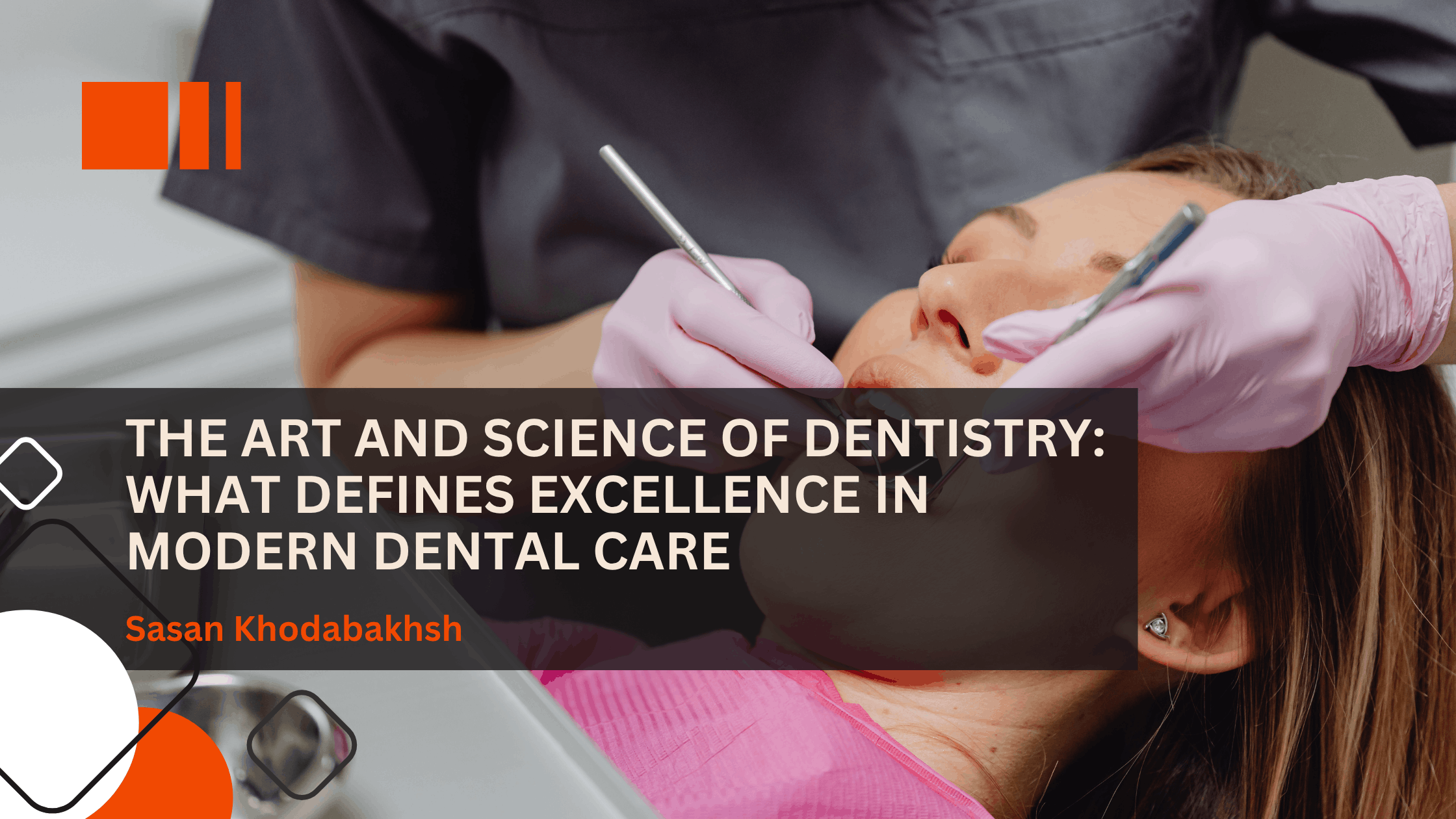
Dentistry is often described as the perfect combination of science, technology, and artistry. Every procedure requires precision, technical expertise, clinical knowledge, and a genuine commitment to patient well-being. Beyond restoring teeth, modern dentists restore confidence, relieve pain, improve function, and contribute to better overall health.
The dental profession has advanced significantly over the years, embracing digital technologies, evidence-based treatments, and patient-centred approaches. While innovation continues to reshape clinical practice, the qualities that define excellent dental care remain rooted in professionalism, ethics, communication, and lifelong learning.
Dentistry as a Comprehensive Healthcare Profession
Dentists are healthcare providers who diagnose, prevent, and treat conditions affecting the mouth, teeth, gums, and surrounding structures.
Their responsibilities extend beyond routine examinations to include:
- Detecting oral diseases
- Managing dental emergencies
- Restoring damaged teeth
- Monitoring jaw function
- Identifying oral cancer
- Supporting preventive health
Because oral health is closely connected to general health, dentists often collaborate with physicians, orthodontists, oral surgeons, periodontists, and other healthcare professionals.
Clinical Excellence Begins with Knowledge
Successful dentists build their careers on a strong scientific foundation.
They continually expand their understanding of:
- Oral anatomy
- Dental materials
- Infection control
- Pain management
- Restorative techniques
- Periodontal health
- Preventive dentistry
Ongoing education ensures that patients benefit from the safest and most effective treatment options available.
Precision Matters
Dentistry requires extraordinary attention to detail.
Small inaccuracies can affect:
- Bite alignment
- Comfort
- Appearance
- Longevity of restorations
- Oral function
Whether placing a filling, designing a crown, or performing implant surgery, precision directly influences treatment success.
Modern technologies such as digital imaging and computer-guided planning further improve accuracy while reducing treatment times.
Communication Builds Trust
Technical skill alone is not enough.
Excellent dentists communicate clearly by:
- Explaining diagnoses in understandable language
- Discussing treatment options
- Answering patient questions
- Setting realistic expectations
- Providing preventive guidance
Patients who understand their oral health are more likely to follow treatment recommendations and maintain long-term dental habits.
Ethics at the Centre of Practice
Professional integrity remains fundamental to dentistry.
Ethical practitioners prioritise:
- Patient welfare
- Honest treatment recommendations
- Informed consent
- Confidentiality
- Evidence-based care
- Professional accountability
Building trust through ethical practice strengthens long-term patient relationships and reinforces public confidence in the profession.
Prevention Is Better Than Treatment
One of the greatest strengths of modern dentistry is its focus on prevention.
Preventive strategies include:
- Routine examinations
- Oral hygiene instruction
- Dietary counselling
- Fluoride applications
- Sealants
- Early intervention
Helping patients prevent disease often reduces the need for extensive restorative procedures later.
Technology Enhances Care
Innovation continues to improve every aspect of dentistry.
Digital advancements include:
- Intraoral scanners
- Three-dimensional imaging
- Digital treatment planning
- Laser procedures
- Same-day restorations
- Artificial intelligence-assisted diagnostics
Technology supports better clinical outcomes while making treatment more comfortable and efficient.
Managing Complex Patient Needs
Modern dentists care for patients across every stage of life.
Each group presents unique challenges:
- Children require behavioural guidance and preventive care.
- Adolescents often benefit from orthodontic evaluation.
- Adults may require restorative or cosmetic treatments.
- Older adults frequently need complex rehabilitation and management of age-related oral health conditions.
Providing personalised care requires flexibility, compassion, and careful treatment planning.
Building Strong Dental Teams
Exceptional dental practices rely on collaboration.
Team members contribute through:
- Preventive care
- Patient education
- Clinical assistance
- Sterilisation procedures
- Appointment coordination
- Financial administration
When every member shares a commitment to patient care, the entire practice operates more efficiently and delivers a consistently positive experience.
Lifelong Learning and Professional Growth
Dentistry evolves continuously through research and innovation.
Successful professionals stay current by participating in:
- Continuing education programmes
- Clinical workshops
- Professional associations
- Research initiatives
- Peer mentoring
Commitment to learning ensures dentists remain prepared to deliver modern, evidence-based care.
Leadership in Dentistry
Many dentists also serve as leaders within their practices and communities.
Leadership involves:
- Mentoring younger professionals
- Managing multidisciplinary teams
- Promoting quality improvement
- Supporting community outreach
- Encouraging ethical standards
Strong leadership contributes to healthier organisations and better patient outcomes.
The Future of Dental Care
Emerging trends promise to reshape dentistry even further.
Future developments may include:
- Regenerative therapies
- AI-supported diagnosis and treatment planning
- Expanded teledentistry
- Biocompatible restorative materials
- Greater integration with overall healthcare
- Personalised preventive care based on genetic and lifestyle factors
While technology will continue to evolve, the human connection between dentist and patient will remain central to successful care.
Conclusion
Excellence in dentistry is defined by much more than technical ability. It reflects a commitment to continuous learning, ethical practice, compassionate communication, and patient-centred care. Modern dentists combine scientific expertise with precision and empathy to improve oral health, restore confidence, and enhance overall well-being.
As dentistry continues to advance, professionals who embrace innovation while maintaining the highest standards of care will continue to make a lasting impact on the lives of their patients and the future of healthcare.